BLUF: Processing Data at the “Edge” Eliminates Latency Bottlenecks
As the Internet of Things (IoT) and real-time AI applications expand across Australia, the traditional centralized cloud model is being challenged by the need for speed. Edge Computing solves this by moving data processing closer to the user or the device, rather than sending everything to a central data centre thousands of kilometers away. For Australian businesses, this means ultra-low latency, reduced bandwidth costs, and the ability to process critical information in real-time—essential for industries like manufacturing, autonomous logistics, and remote healthcare.
How Edge Computing Differs from the Centralized Cloud
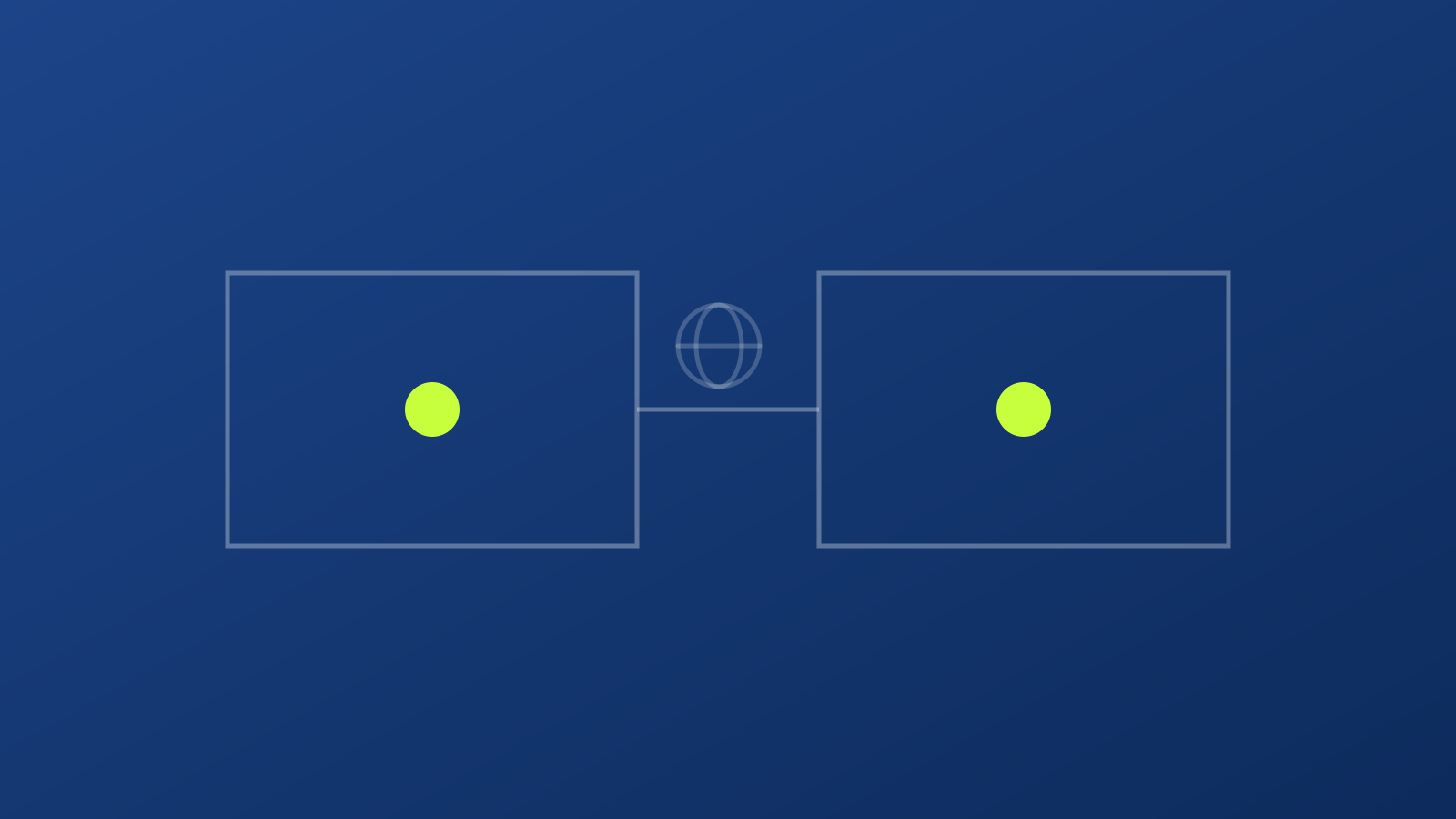
- Centralized Cloud: Data is sent from a device in Perth to a data centre in Sydney for processing. This creates a “latency delay” that can be catastrophic for real-time applications.
- Edge Computing: Small “micro-data centres” or specialized hardware located at the “edge” of the network (in a local branch office or even on the factory floor) process the data instantly. Only the summarized results are sent back to the central cloud for long-term storage.
The Strategic Benefits of the Edge Model
- Ultra-Low Latency: Essential for “instant-response” applications like 4K video surveillance, autonomous machinery, and augmented reality (AR) training.
- Bandwidth Optimization: By processing raw data locally, you drastically reduce the amount of information that needs to be transmitted over the public internet, lowering your monthly connectivity costs.
- Enhanced Privacy and Security: Sensitive data can be processed and stripped of personally identifiable information (PII) at the edge before it ever enters the cloud, improving your compliance posture.
- Resilience: Edge devices can continue to function and make local decisions even if their connection to the main data centre is temporarily interrupted.
Edge Computing in the Australian Context
For a vast country like Australia, edge computing is a game-changer for regional and remote operations. It allows a mining site in the Pilbara or a medical clinic in regional Queensland to leverage advanced AI and automation without being entirely dependent on a high-speed fibre link to a distant capital city.
The Future: Integrating Edge and Sovereign Cloud
Edge computing is not a replacement for the cloud; it is a powerful extension of it. The future of Australian IT infrastructure lies in a “Cloud-to-Edge” continuum, where a sovereign Australian cloud provides the secure, long-term storage while edge nodes provide the real-time processing power. By adopting this modern model, your business can achieve the ultimate balance of global scale and local speed.